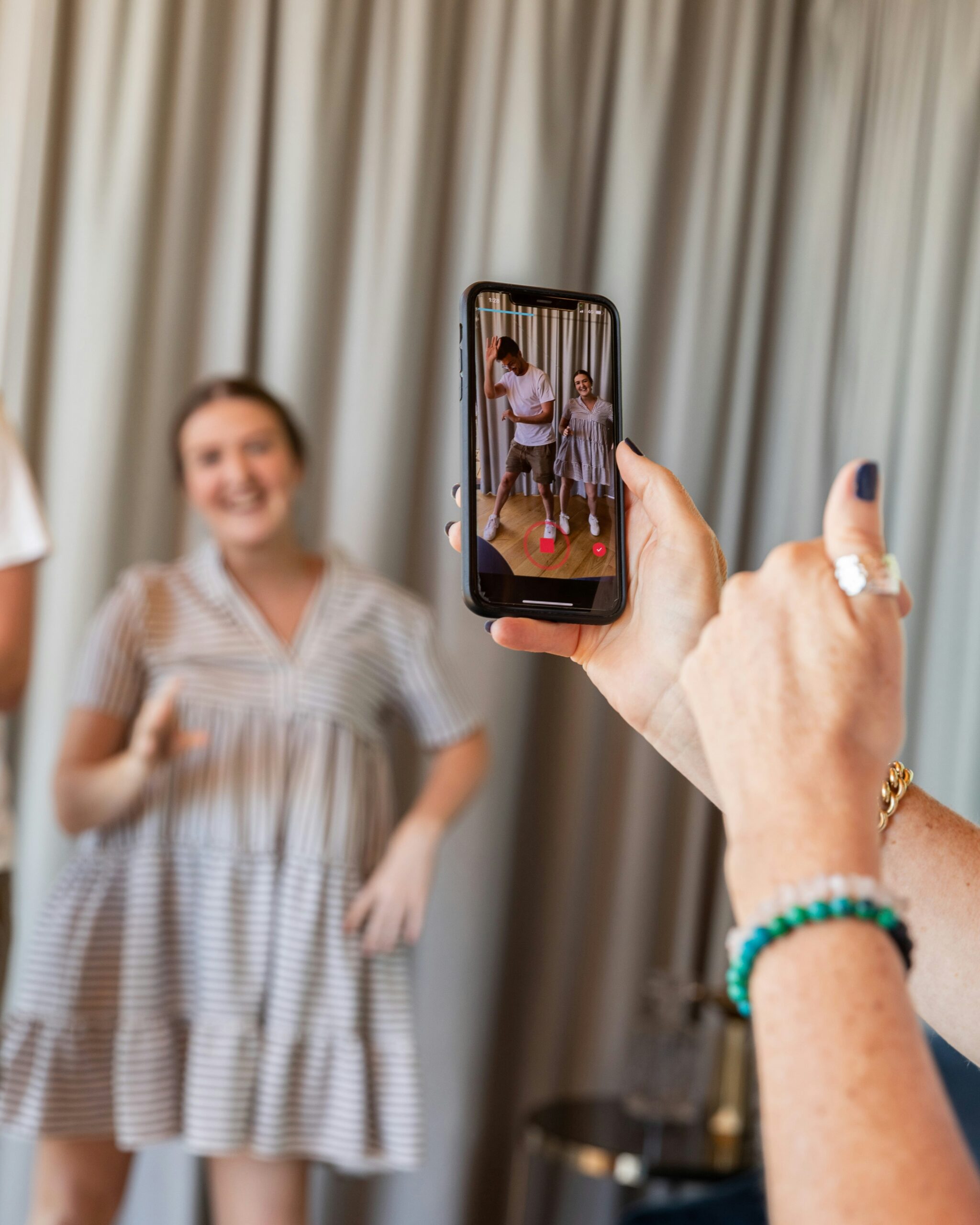
An influencer marketing strategy works by borrowing trust that somebody else spent years building. According to recent industry reporting, 86% of consumers have made a purchase influenced by a creator at least once in the past year, which is why the tactic moved from experiment to budget line.
This guide covers what influencer marketing actually is, why it appeals to brands, and how it went from a tactic only large companies could afford to something a small business can run on a modest budget.
It also covers how creators changed the way brands build trust, where the approach fails, and how to tell whether it fits your business before spending anything.
What an Influencer Marketing Strategy Actually Is
Influencer marketing uses endorsements and product mentions from creators who are seen as knowledgeable in their niche. What makes it work is the trust those creators built with their audience over time, which no advertising budget can manufacture on demand.
When a creator recommends a product, part of that accumulated credibility transfers to the brand. That transfer is the entire mechanism, and it is worth more than any banner placement. Recommendations from someone perceived as genuine land differently than a direct ad.
Trust is the engine. Industry data puts 49% of consumers making a purchase at least once a month on the back of a creator post. Few other channels come close.
Compared with other digital tactics, influencer marketing tends to return more per dollar. It combines the reach of advertising with the credibility of word of mouth. Unlike paid ads, which interrupt, the message arrives inside content the audience already chose to watch.
Endorsements work particularly well on social platforms, which are built around personal connection. Influencer marketing does not replace other channels, but it is unusually good at building trust quickly.
| Aspect | Influencer marketing |
|---|---|
| Connection with the audience | High, built on trust |
| Return on investment | High |
| Credibility | High |
| Content type | Recommendations and testimonials |
Why It Matters in the Current Market
Creators now sit between brands and buyers in a way that is not a passing trend. The numbers behind it are consistent enough to plan around.
Numbers and direction of travel
The sector keeps growing. The State of Influencer Marketing Report puts 49% of consumers buying something at least monthly because of a creator post.
In the United States, 86% of consumers bought something a creator inspired within the past year. For brands trying to stay visible, this stopped being optional some time ago.
Effect on reputation and sales
Brand reputation is built and dismantled on social platforms, and creators are the opinion formers who shape how products get perceived. Small businesses have tripled sales within three months on the back of a well-targeted creator campaign, which is not typical but is not rare either.
The clear direction is toward micro and nano creators, who deliver more trust and engagement than traditional celebrities. That changes how campaigns get planned and budgeted. Time spent on Instagram and TikTok keeps rising, which makes presence through authentic voices more valuable, not less.
Creator Tiers and How to Pick the Right One
Choosing the right tier changes the economics of the whole campaign. Celebrities are no longer the default, and for most businesses they are the wrong answer.
Nano creators: proximity over reach
Creators with 1,000 to 10,000 followers are the best-kept secret in the category. Engagement runs two to three times higher than larger accounts, because their audience treats them as a friend rather than a distant figure.
For a business that needs credibility inside a local community, nano creators deliver results no celebrity can match, at a fraction of the cost.
Micro creators: niche and specialization
With 10,000 to 100,000 followers, micro creators are the balanced option. Enough reach to move sales, while keeping the specialization and trust that make them believable.
Working with them gives access to communities organized around specific interests, which means the message reaches the people most likely to buy.
Macro creators: reach and production quality
Between 100,000 and one million followers, these are content professionals. High production values and significant reach, at a correspondingly higher price. Worth it when the goal is immediate visibility.
Mega creators and celebrities: mass visibility
Above a million followers, the offer is mass exposure. Follower count alone guarantees nothing, and plenty of brands learn expensively that genuine audience connection is what actually produces sales.
Picking the tier comes down to the objective. Mass brand awareness points one way; conversions inside a specific niche point to several nano creators working at once.
| Tier | Followers |
|---|---|
| Nano | 1,000 – 10,000 |
| Micro | 10,000 – 100,000 |
| Macro | 100,000 – 1 million |
| Mega | Over 1 million |
Which Platform Fits Which Campaign
The platform shapes the content you get back, so the choice is strategic rather than administrative.
Instagram: visual and flexible
Still the default for most campaigns. Reels, Stories, and feed posts allow a product to be shown from several angles, which keeps a series of collaborations from looking repetitive.
TikTok: reach among younger audiences
If the target audience is 18 to 30, this is where to be. One well-made video can produce millions of impressions within hours, which no other platform reliably offers.
YouTube: for anything that needs explaining
Best for complex products or results that take time to demonstrate. A ten to twenty minute video builds confidence in a way short formats cannot, and the content keeps earning views long after publication.
Pinterest, Twitch, and LinkedIn
Specialized platforms are easy to dismiss and often shouldn’t be. Pinterest drives real purchase decisions in home and fashion categories. Twitch reaches gaming and technology audiences that are unusually loyal. LinkedIn has become genuinely effective for B2B, where thought leaders can put a brand in front of decision-makers.
Platform choice also decides the shelf life of what you pay for. A YouTube collaboration costs more but produces content that keeps working, while a TikTok that goes viral today is gone tomorrow. The strongest campaigns are the ones where platform, content style, and product fit together without being forced.
| Platform | Content type |
|---|---|
| Visual: Reels, Stories | |
| TikTok | Short video |
| YouTube | Long video |
| Images and guides | |
| Twitch | Live streaming |
| Posts and articles |
What You Get Out of It
The benefits are concrete enough to plan around.
Trust and credibility
The most valuable return. A creator recommending a product lends the trust they built with their audience, which shortens a process that would otherwise take months.
Targeting and qualified leads
The targeting is unusually precise. Creators give access to audiences already interested in the category, which produces better-qualified leads and higher conversion rates.
Visibility and recognition
A single post from the right creator can put a brand in front of hundreds of thousands of people who would never have found it otherwise.
These compound. More visibility produces more trust, more trust produces more sales, and more sales fund more ambitious campaigns.
Where Influencer Marketing Goes Wrong
The risks are real and most of them are avoidable with preparation.
Reputation risk
The largest exposure. When a creator representing a brand ends up in a scandal, the fallout reaches the brand. One bad post can undo months of careful work.
Audiences detect forced collaborations
People have become very good at spotting a paid placement that does not fit. When a creator promotes something outside their usual range, the trust drops immediately, and it drops for both parties.
Measurement is harder than it sounds
Attributing sales to a campaign without proper tracking, such as discount codes or dedicated landing pages, turns into guesswork. Most disappointing results are actually unmeasured ones.
Limited control over the message
Handing content to a creator means giving up control of how the brand is presented. Trying to script every word usually destroys the authenticity that made the collaboration worth doing.
Fraud is also a serious problem. Fake followers are estimated to have cost the industry $1.3 billion, roughly 15% of global influencer marketing spend. Without checking before signing, a brand can pay for an audience that does not exist.
A badly run campaign wastes the budget and leaves consumers associating the brand with inauthentic content, which is a worse outcome than having done nothing.
Mitigation comes down to three things most brands underestimate until it is too late: research before signing, clear contracts, and continuous monitoring.
| Risk | What it looks like |
|---|---|
| Reputation | Creator scandal |
| Authenticity | Forced collaboration |
| Measurement | No way to attribute sales |
| Message control | Dependence on the creator |
| Fraud | Fake followers |
Does It Fit Your Business?
Before spending anything, the honest question is whether this adds value or whether it is simply what everyone else is doing.
For B2C the answer is usually yes. Influencer marketing is one of the strongest available tactics for reaching consumers, building trust, and lifting sales consistently. For B2B the picture is different.
B2B companies can benefit, though less often. The approach there is finding thought leaders on LinkedIn or specialized creators who speak directly to decision-makers in a specific industry.
The difference between the two is the kind of creator required. B2C wants reach and engagement at scale. B2B wants technical credibility and a qualified professional audience, which is a much smaller pool.
Objectives decide the shape of the campaign. Brand awareness, lead generation, and direct sales each require a different approach, and not all of them justify the spend.
Audience alignment is the deciding factor. If your buyers do not consume creator content, no amount of strategy fixes that.
Mistakes Worth Avoiding
A few errors show up repeatedly, and all of them are expensive.
No clear objective
The original sin. Without knowing what the campaign is for, choosing the right creator is guesswork and measuring the result is impossible. Specific, measurable goals come first.
Judging by follower count alone
A beginner trap. A creator with millions of passive followers can produce less than one with 20,000 people who trust their recommendations. Engagement quality beats audience size nearly every time.
Skipping the background check
Hiring a creator without reviewing their history is a gamble with the brand as the stake. Read their past content and previous collaborations, and look for anything that could surface later while they are representing you.
Four Campaigns Worth Studying
Each of these worked for a specific, identifiable reason.
1. McDonald's Mexico and Chingu Amiga
McDonald’s Mexico worked with Sujin Kim, known as Chingu Amiga, to promote a spicy burger through a cultural challenge played for humor. It worked because it connected two cultures that both love heat, which produced organic conversation rather than paid reach.
2. L'BEL and Carmen Villalobos
The beauty brand ran a visual campaign with Carmen Villalobos built around female empowerment. The combination of a recognizable figure, careful art direction, and a message aligned with the audience is what carried it.
3. Huggies Argentina and #tebancamosbebe
Huggies Argentina used the emotion around the 2022 World Cup in a campaign with mother creators. Babies, family, and Argentine football together produced something people shared without being asked.
4. PayPal and Rodezel
PayPal worked with the creator Rodezel on a coupon promotion delivered as a comic Reel. Entertainment, a short format, and a clear reward is a combination that reliably drives participation.
Why Authenticity Decides the Outcome
Authenticity is the whole mechanism rather than a nice quality to have. In a market where advertising often feels forced, creators sharing genuine experience build a connection that converts.
Those relationships take time. The creators who produce the best results are the ones sharing something real, not the ones reading a corporate script.
Building a genuine relationship with the audience
Audiences developed a reliable instinct for spotting a forced collaboration. Since the backlash against undisclosed sponsorship, transparency about brand partnerships has become a requirement rather than a courtesy. When a creator genuinely values a product, the recommendation sounds like one.
Avoiding forced advertising means granting creative freedom. You hired them for their style and their relationship with an audience: turning them into a corporate spokesperson removes both.
How to keep it from sounding like an ad
Credibility is a creator’s most valuable asset, which is why the good ones are selective about who they work with. When a creator actually uses a product, the recommendation moves naturally into honest advice from someone their audience trusts.
The most convincing campaigns are the ones where the product appears inside the creator’s real routine rather than on a production set. Authenticity cannot be staged, and audiences are now sophisticated enough to tell when someone is promoting something purely for the fee.
Where the Category Is Heading
Technology and audience expectations are both shifting, and the two pull in different directions.
Virtual creators and AI
Virtual creators are changing the field. Characters such as Lil Miquela, which appeared in 2016, showed that generated figures can be realistic enough that many people cannot tell. Expect far more AI creators and virtual versions of real celebrities. That opens possibilities and raises obvious questions about disclosure and authenticity.
Micro and nano creators keep gaining ground
The shift toward smaller creators is structural rather than fashionable. Around 44% of brands now prefer working with them, because the trust and engagement they offer is something traditional celebrities cannot replicate. Smaller audiences, more committed, and recommendations read as more genuine.
Staying usable in a market that keeps moving
Adapting matters more here than in most channels:
- Watch what is actually happening on the platforms, not what a report from last year says.
- Test new formats before they are crowded.
- Protect authenticity, which is still the only thing that makes any of it work.
What worked two years ago may be obsolete now. The brands that stay relevant are the ones treating the channel as something to keep learning rather than a formula to repeat.
Starting Small Without Wasting the Budget
A first campaign does not require a large budget. Local nano creators and a sixty-day measurement window are enough to learn whether the channel works for a specific business. What it does require is a defined objective, a clear picture of the audience, and creators whose values do not clash with the brand.
The most common failure is not picking the wrong creator. It is running a campaign with no way to tell afterward whether it worked, which turns a test into an expense and leaves the next decision exactly as uninformed as the last one. It is worth seeing where borrowed audiences sit among the other options before committing a budget.
Frequently Asked Questions
What is influencer marketing?
A strategy that uses people with influence on social platforms to promote products or services, drawing on the connection they have with their audience.
How do I choose the right creator for my brand?
Weigh the niche, the authenticity, the engagement with their audience, and the values they represent, making sure all of it aligns with the brand.
What are the benefits of influencer marketing?
Trust, a strong return on investment, precise targeting, and a significant lift in visibility.
Which platforms work best?
Instagram, TikTok, and YouTube cover most cases, each suited to a different content type and audience.
How do I measure a campaign?
Set clear metrics such as engagement, referred traffic, and sales, and put tracking in place before the campaign runs rather than after. Reach and impressions are the two most often reported interchangeably, and they do not measure the same thing.
What mistakes should I avoid?
Failing to define objectives, judging creators by follower count, and neglecting disclosure in collaborations.
Does it suit every type of business?
Not always. It depends on whether your audience is active on social platforms and whether the approach matches your commercial objectives.
How do I build genuine relationships with creators?
Prioritize open communication, set clear agreements, and build the content together so it genuinely fits the creator audience.