
SEO: What to Fix First and What Can Wait
The three kinds of work every site needs, in the order the site actually needs them.
Most SEO advice fails on sequencing rather than on substance. The tactics are largely agreed; what separates a campaign that moves from one that stalls is which work comes first.
What counts as success has also shifted. Ranking for isolated terms is no longer the whole goal, and being cited by an AI assistant now matters alongside it.
The three types every site needs
On-page, off-page and technical. They reinforce each other, which is why running one in isolation produces so little.
Deciding which type of SEO to run first comes down to a single rule that gets ignored routinely: start with whichever one is leaking the most traffic or revenue right now, not with whichever the audit listed first.
Choosing terms you can actually win
Volume is the most misleading column in any keyword tool. A term with demand a site cannot compete for is a term that will never send a visit.
Finding low competition keywords is the work of reading the actual search results rather than sorting a spreadsheet, and on a new site the long tail is what makes the broader terms reachable later.
Links, and which ones count
Links remain the most significant off-page factor, and quality overtook quantity long ago. One placement from a recognized publication in your sector outweighs hundreds from directories, and the hundreds carry risk the one does not.
A backlink guide is more useful read backwards: the mistakes — bulk buying, over-optimized anchor text, never auditing the profile — cost more sites their rankings than any missing tactic.
The technical work nobody sees
Technical SEO is the layer that decides whether any of the rest gets read. Crawlability, indexability, a sitemap that lists what you want found, structured data, HTTPS, and load speed that does not drive people away.
It is unglamorous and it is a precondition. Content on a site a crawler struggles with is content nobody will see ranked.
Local search, when the customer is nearby
A local business lives or dies on appearing when somebody nearby searches. Three levers carry it: a complete and current business profile, consistent name-address-phone citations, and content tied to the place.
The profile matters more than the website for this, because most clicks go to the local pack and what is ranked there is the profile.
Being the source an AI assistant cites
Assistants answer rather than list, which changes what visibility means. Being cited requires the same things as ranking — clear structure, specific claims, topical depth — with one addition: content a model can extract a defensible statement from.
Unlinked brand mentions count here too. They feed how relevant a brand looks on a topic, which is part of how an assistant decides who to quote.
Knowing whether any of it worked
Positions are a proxy. Traffic and what it does are the measure.
Attributing traffic properly is what separates organic growth from the appearance of it, and it is also where the three traps live: counting your own team’s visits, treating sessions as people, and reading a spike in direct traffic as success.
Frequently asked questions
How long does SEO take?
Months, and the first movement is usually on terms nobody targeted. Anyone promising a timeline is pricing hope.
Is SEO dead because of AI?
No. The surface changed and the requirements did not: structure, specificity and authority decide citation as much as ranking.
How many keywords should one page target?
One intent, however many phrasings that covers. Pages built for several intents rank for none.
Do backlinks still matter?
Yes, and fewer good ones beat volume. The profile is now audited more than it is built.
Where SEO effort gets wasted
On the type of work that was easiest to start rather than the one with the largest gap. An audit produces a list of everything wrong; a campaign needs an order of operations, and the two are not the same document.
Everything below is what the blog covers on the subject.
SEO articles on the blog
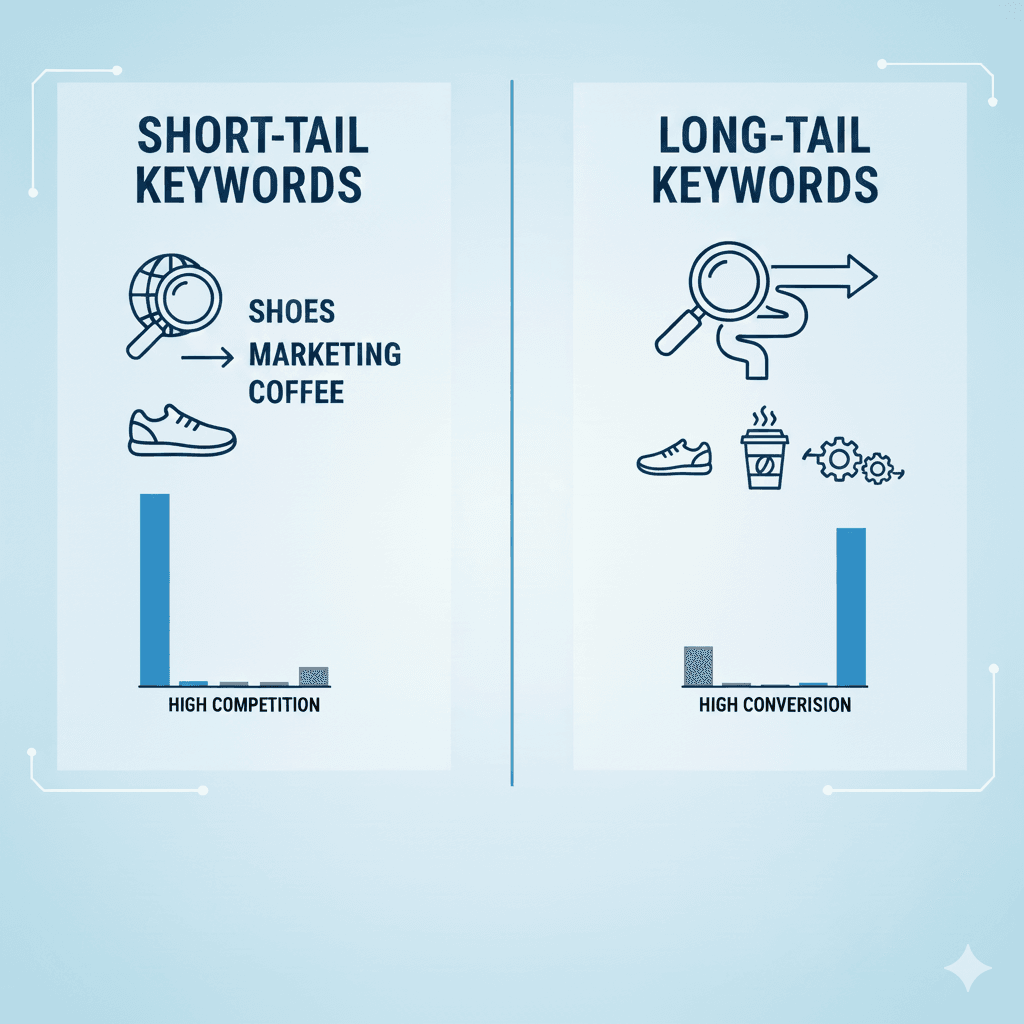
How to Find Low Competition Keywords: Long-Tail vs. Short-Tail
Keywords are the bridge between what someone types into Google and the page you published. Learning how to find low competition keywords
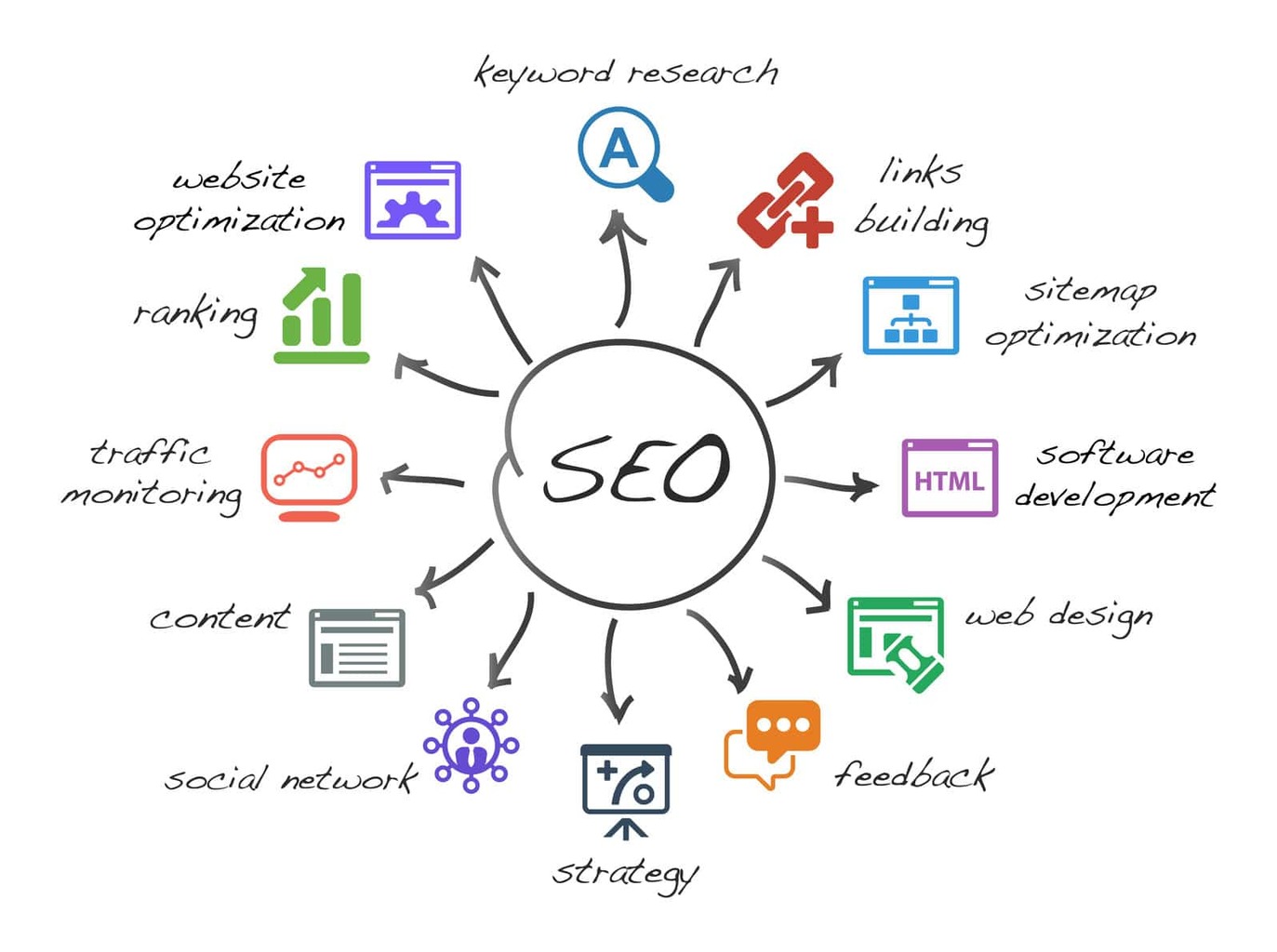
SEO Campaign Structure: Which Type of SEO to Run First
An SEO campaign is not one activity. It is several distinct disciplines that happen to share a name, and the order you
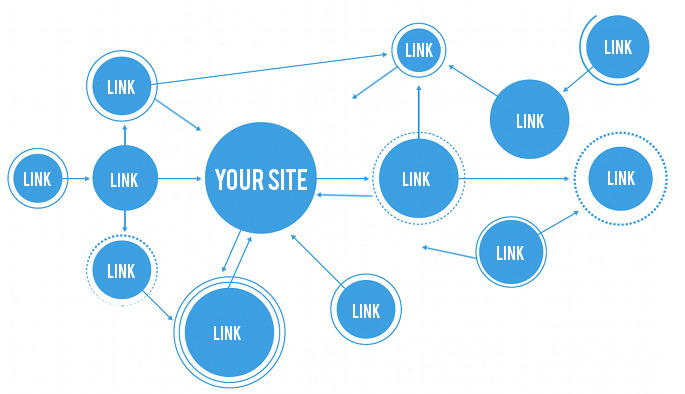
Backlink Guide: How to Earn Links That Move Rankings
Around nine out of ten pages on the web get no organic traffic from Google at all, according to Ahrefs’ study of