Spend any time on social media and you know the feeling. Suddenly everyone is talking about the same thing, sharing the same jokes, and your feed fills with the same subject. That phenomenon has a name: a trending topic. For anyone working in marketing, communications, or content, understanding how trending topics work is often the difference between content nobody sees and content that travels.
This article covers what a trending topic actually is, how trends form, which tools spot them before the competition does, and how to work them into a content strategy without the result looking forced.
What Is a Trending Topic?
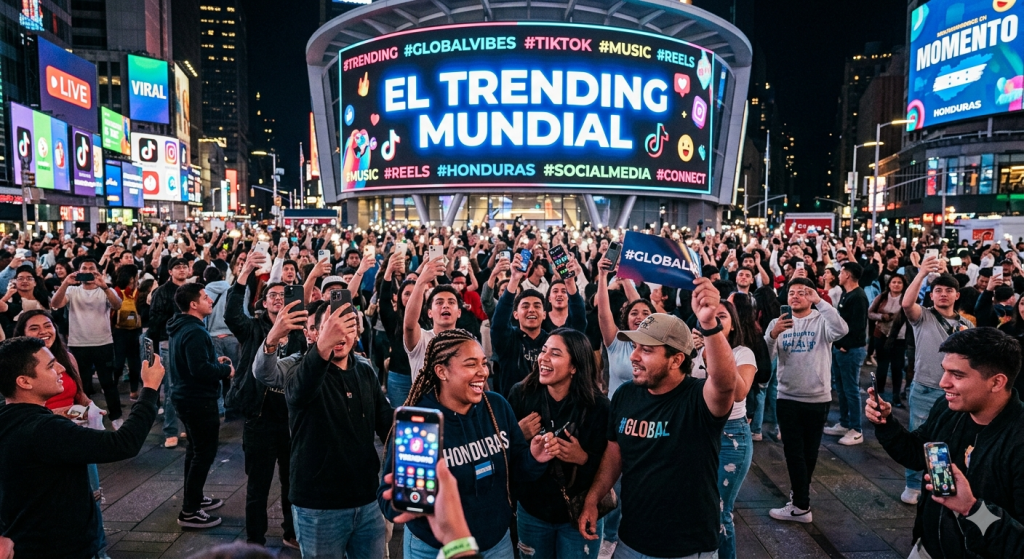
A trending topic is a subject that, at a specific moment, generates an unusually high volume of conversation, searches, or interactions on a platform. It is not simply something popular: it is something whose visibility grew sharply over a short period.
The term spread thanks to Twitter, now X, which introduced its Trending Topics section around 2009. The platform identified which words, phrases, or hashtags showed the largest jump in mentions in real time and listed them publicly, split by location.
The concept now exists everywhere: TikTok has its trends section, Instagram surfaces trending sounds, YouTube has trending videos, Google shows trending searches. Each platform detects them with its own algorithm, but the underlying idea is identical: an abnormal spike of attention on one subject.
How a Trending Topic Starts
Trends do not appear at random. There are identifiable patterns behind how something moves from niche to mainstream.
Real-time events
Breaking news, disasters, celebrations, corporate announcements, sporting events. When something significant happens, millions react at once, producing the spike in mentions that defines a trending topic.
Large accounts
When an account with millions of followers mentions something, amplification alone can create a trend. A post from a celebrity, a statement from a well-known CEO, or a media account can be the trigger.
The snowball effect
Sometimes a trend starts small: a meme, a sharp comment, an odd post. If several mid-sized accounts amplify it, the content accumulates momentum until it reaches the trending list, where mass visibility makes it self-fulfilling.
Orchestrated campaigns
Some trends are deliberately organized: brand campaigns, social movements, coordinated launches. The Ice Bucket Challenge and MeToo both began this way before becoming genuinely spontaneous.
Organized communities
Fandoms around artists, teams, or shows can create trending topics at will by coordinating activity. It is common around album releases, season finales, and debuts.
Algorithmic manipulation
In extreme cases, coordinated actors inflate trends artificially with bots or troll farms. Platforms spend increasing resources detecting and blocking this, though not always successfully.
Where to Spot Trends, Platform by Platform
X / Twitter
Where the concept began. The Trends section lists subjects by location and updates continuously. You can set it to global, by country, or personalized. It remains the reference point for conversational trends tied to current events.
TikTok
The place for visual content trends. The Discover section shows trending hashtags, popular sounds, and active challenges. The For You feed also reveals trends through repetition. It is the most important platform for catching creative trends early.
Google Trends
For search trends. It shows what people are looking for right now, comparisons between terms, and growth of interest by subject. Essential for content marketing and SEO: if something is climbing there, real demand for content exists.
YouTube Trending
Videos whose view counts are growing fastest, organized by category. Useful for understanding which video formats are capturing mass attention, and which ones belong on which platform.
The largest forum on the internet picks up emerging subculture before other platforms. Fast-growing subreddits, highly upvoted posts in specific categories, and viral threads in niche communities are early indicators of wider trends.
Professional tools
BuzzSumo, Brandwatch, Sprout Social, Hootsuite Insights, and Meltwater aggregate data from multiple sources and allow more sophisticated analysis. Expensive, but necessary for brands that need serious monitoring.
Types of Trending Topics
News trends
Driven by real-world events: elections, disasters, conflicts, global celebrations. Short-lived and intense. Brands should be extremely careful about trying to use them, particularly tragedies.
Entertainment trends
Series, film, album, and game releases. Season finales, long-awaited debuts, celebrity controversies. More predictable and much safer commercially.
Sports trends
Major events: the World Cup, the Super Bowl, the Champions League, the Olympics. Huge audiences, and strong opportunities for brands with a natural connection to sport.
Meme trends
Meme formats that are suddenly adopted at scale. They last days or weeks and require both internet literacy and the ability to produce quickly.
Challenge trends
Shareable challenges: dances, transformations, pranks. They live mainly on TikTok and spread outward, and that jump between platforms is what turns a subject into a real trend. A strong opportunity for brands with a visual presence.
Product trends
Specific products that suddenly explode: a garment seen in a popular series, a kitchen tool that takes off on TikTok, a book everyone recommends. Gold for related ecommerce.
Technology trends
New technologies, platform features, apps that surge in popularity, from the ChatGPT boom to whichever social app is capturing attention this quarter.
How to Use Trending Topics in Marketing
1. Monitor systematically
Glancing at trends occasionally is not enough. Build a daily routine: thirty minutes at the start of the day reviewing the platforms that matter in your industry, plus scheduled alerts for keywords you care about.
2. Filter by relevance
Not every trending topic is an opportunity. The most common mistake is joining a trend with no connection to the brand, which produces content that feels forced and costs credibility. Two questions settle it: will our audience care, and does this genuinely connect to what we do.
3. React fast
Trends last hours or days. If the approval chain takes three days, you will always arrive late. Brands that use trends well have fast processes, adaptable pre-produced content, and teams authorized to publish without a committee.
4. Add something
Brands that simply join a trend disappear into the noise. The ones that bring a specific angle, useful information, intelligent humor, or an original perspective stand out. The question is not whether to use the hashtag, it is what you are adding that nobody else is.
5. Use the native format
If the trend is a TikTok built on a specific sound, make a TikTok with that sound. If it is a format from X, adapt it properly. Changing the format usually kills the relevance.
6. Measure it separately
Additional reach attributable to the trend, engagement against your baseline, traffic, related conversions. Without measurement there is no way to know whether the approach works or just generates noise.
7. Build the base first
Trends accelerate, they do not found anything. If the underlying content is weak, a trend amplifies temporarily without building a lasting audience. Establish the voice, the niche, and the audience first.
Mistakes That Cost More Than They Gain
Jumping on sensitive trends. Tragedies, humanitarian crises, and deaths are not marketing opportunities. Brands that try to newsjack these events usually end up managing a reputation problem instead.
Copying instead of adapting. Bringing your own voice to a format is not the same as reproducing it. If the post looks identical to fifty others, it dissolves into the noise.
Arriving late. Joining a trend on its way down looks desperate and produces nothing.
Forcing a connection that is not there. Linking industrial fasteners to a pop album because both are trending fools nobody. Audiences detect strain immediately.
Using every trend to sell. If each trend ends with buy our product, people disconnect. The 80/20 rule applies here too.
Having nothing ready. Agile brands keep prepared responses for the trend types common in their industry, which lets them publish in minutes rather than days.
Three Campaigns That Got It Right
Oreo and the Super Bowl blackout, 2013. During a 34-minute power failure, Oreo posted a simple image reading you can still dunk in the dark. It earned millions of impressions and is still cited as one of the best examples of real-time marketing. The lesson: a prepared team, speed, and a natural fit with the brand.
Netflix and memes from its own shows. Netflix turned viral scenes and lines from its series into official memes quickly, multiplying the reach of each launch. The lesson: if the product generates shareable content on its own, amplify and curate that conversation.
Wendy’s on Twitter. The chain built a brand identity on sharp replies to trends and mentions, which produced enormous engagement and measurable sales. The lesson: a defined identity lets a brand join trends without sounding forced.
Frequently Asked Questions About Trending Topics
How long does a trending topic usually last?
Most last between six hours and three days. A few stretch to weeks. The most intense peak within the first 24 to 48 hours and then fall away quickly.
Can a brand create a trending topic deliberately?
Generating one from scratch is extremely difficult and expensive. Campaigns that try to force a trend with a branded hashtag usually fail. The realistic goal is becoming part of existing trends that fit the brand.
Do trending hashtags help reach?
Sometimes. Broad trending hashtags with thousands of posts per minute tend to bury content. Narrower ones, in the range of 500 to 5,000 recent posts, can produce real traction. Specific relevance is what decides it.
How can you tell a genuine trend from an orchestrated one?
Signals include organic growth rather than sudden spikes, participation from a diverse set of accounts rather than one network, and a connection to real events. Platforms increasingly label trends they detect as manipulated.
Do trending topics differ by country?
Yes. Each country has its own list, shaped by local conversation, local public figures, and regional humor. Brands operating in several markets need to monitor country by country.
How do small businesses use trends?
Small businesses have a speed advantage over large ones. With no approval chain, they can react quickly. The key is choosing trends with a genuine link to the business and producing content in an authentic voice.
What is the difference between a trending topic and something going viral?
A trending topic is a subject with a conversation spike. Viral describes a specific piece of content spreading widely. A trending topic can generate many viral pieces, and a viral piece can create a trending topic. Related, not identical.
Where Trending Topics Are Headed
Trending topics will keep evolving: better detection of manipulation, more personalization per user, and more involvement from automated systems in deciding what surfaces. The brands that build a reliable routine for spotting and reacting to trends gain a real advantage over those improvising each time.
Understanding trends is not about keeping up. It is a way to amplify a message in the moments when attention is concentrated. Used with judgment, and without losing the brand voice in the process, it multiplies results. Used reflexively, it just adds to the noise. The habit sits inside the wider question of what works on each platform, which changes more slowly than the trends do.