Traffic attribution is the question of which channel gets credit when someone arrives at your site. It sounds like bookkeeping and it decides budgets: a channel that looks like it brought nothing gets cut, and a channel that quietly absorbs other channels’ credit gets more money than it earned.
Visits do not arrive labelled. Analytics infers the source from whatever signal came with the click, and when that signal is missing it guesses. Understanding the categories, and where the guessing happens, is what separates a report you can spend against from one that just looks organized.
What web traffic actually means
Web traffic is the visits your site receives, counted and sorted by the channel they arrived through: search engines, social platforms, advertising, email, other websites. Each visit is an opportunity to be recognized, to capture a contact, or to sell something.
But visitors do not all arrive with the same intent. Some are looking for information, some clicked an ad out of curiosity, and some already trust you and came back on purpose. Attribution is how you tell those groups apart, and the channel label is the closest proxy available.
The channels attribution has to choose between
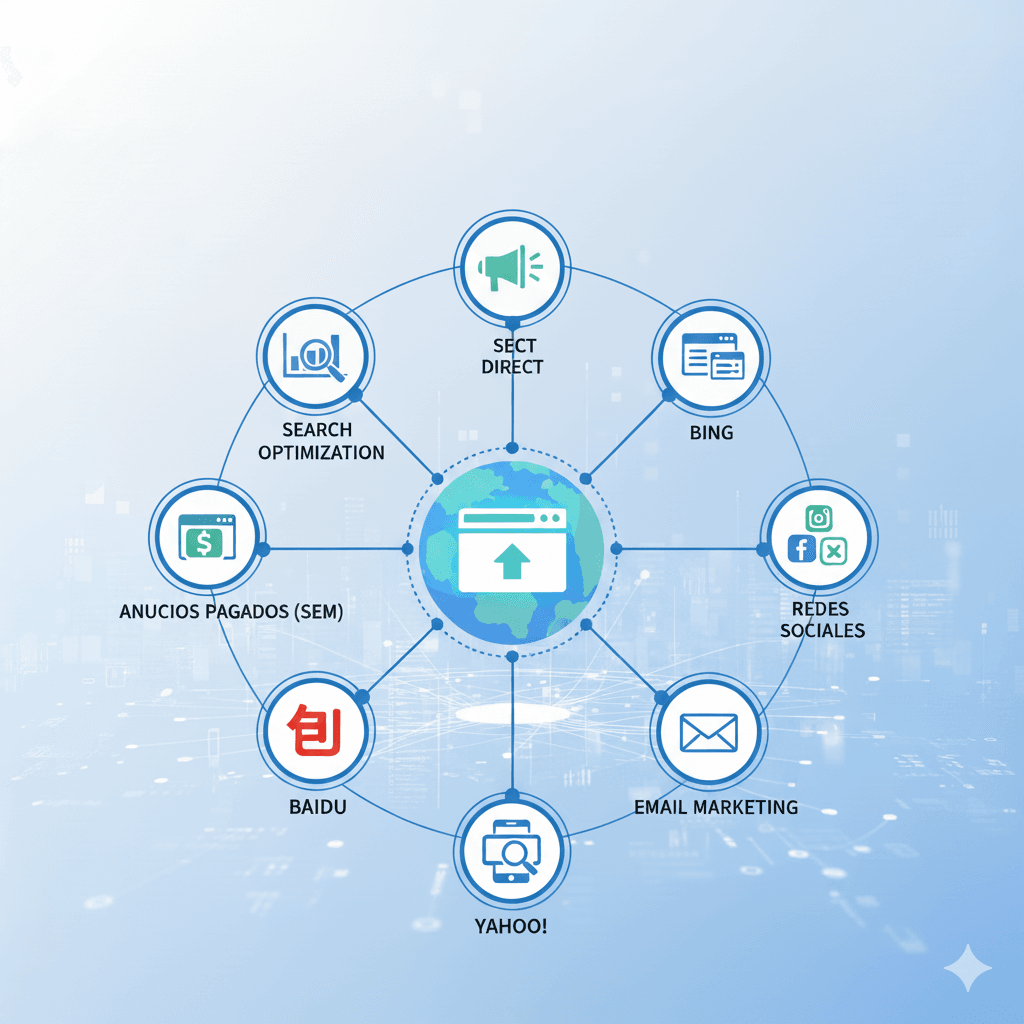
Seven categories cover almost all of it. Each is earned differently, costs differently, and behaves differently in a report.
Organic search
Visits from a search engine without paying for the placement.
Example: someone searches for “best hotels in Key West”, finds your article in the results and clicks.
What it gives you:
- It keeps working after the work stops.
- It carries implicit trust, because the result was not bought.
- The intent is usually specific, which makes the visitor more qualified.
How it is earned: publishing content that answers real queries, getting the technical layer out of the way, and earning links from other sites. It is the slowest channel to start and the only one that keeps delivering when you stop paying, which is why the time spent on it accumulates rather than evaporates.
Paid search and social (PPC)
Visits from advertising: Google Ads, Meta, TikTok, LinkedIn.
Example: someone sees an ad for your course on Instagram, clicks, and lands on your page.
What it gives you:
- Results on the first day.
- Targeting by interest, location and behaviour.
- Predictable scale: more budget reliably produces more visits.
How it is earned: budget, clear objectives and testing. It is useful for finding out quickly whether an offer interests anyone, and it is the worst possible substitute for organic search, because its cost per visit does not fall over time.
Direct
The visitor typed your address or used a saved bookmark.
Example: somebody types your domain because they already know the brand.
What it gives you:
- A reading on brand recognition that no other channel provides.
- Visitors who are usually returning, and convert better for it.
How it is earned: mostly offline. Signage, packaging, invoices, word of mouth, anything that puts the address in front of someone who is not already browsing. A site with growing direct traffic usually has a business that is working, rather than a marketing campaign that is working. It is also the channel most polluted by attribution failure, which is covered further down.
Social
Visits from Facebook, Instagram, TikTok, LinkedIn or X.
Example: someone sees your post on LinkedIn, clicks through and reads the article.
What it gives you:
- Reach, and occasionally reach far beyond your following.
- Both organic and paid targeting on the same surface.
- The best channel for building something that resembles an audience.
How it is earned: publishing where the audience already is, consistently. One uncomfortable detail is worth planning around: on most platforms a post containing an outbound link is distributed less than one that keeps people inside the app. So judging social performance purely by the visits it sends to your site will understate it.
Referral
Visits from other websites that link to yours.
Example: an industry blog recommends one of your articles and links to it.
What it gives you:
- Authority, because the link counts for search as well as traffic.
- The most qualified visitors of any channel, since they arrive recommended.
How it is earned: relationships, which is the route almost nobody works. Listings in genuine industry directories, collaborations with sites in your sector, being quoted as a source. Slow, and it produces the best traffic you will get.
Visits from your own email campaigns.
Example: you send a newsletter featuring an article and subscribers click through to read it.
What it gives you:
- A direct line to an audience no algorithm sits between.
- Segmentation by what people have actually done.
- Return on spend that usually beats every other channel.
How it is earned: building the list through forms and offers worth an email address, then sending things worth opening. Note that email is the channel most likely to be misattributed, since clicks from some mail clients arrive with no referrer and land in direct.
Affiliate
Other people promote your product on their own sites and earn a commission on the result.
Example: a technology blog recommends your course through a tracked link.
What it gives you:
- Reach without advertising spend.
- You pay for outcomes rather than for clicks.
How it is earned: running a programme and choosing partners whose audience overlaps yours. The attribution here is the cleanest of any channel, because the tracked link exists precisely so somebody can be paid for it.
Which channel is best?
There is no best channel, only a mix that matches what you need next:
- For authority that compounds, organic search.
- For revenue this quarter, paid.
- For an audience that stays, social and email.
- For qualified visitors and search authority at once, referral.
What matters is that each channel has a job in the sequence. Paid finds out what resonates; organic makes it durable; email keeps the people it brought. Running one in isolation is how a site ends up dependent on a channel it does not control.

How each channel is actually earned
Knowing the categories is only useful for one decision: knowing what to do to get more of each. They are not earned the same way and they do not cost the same, and confusing them leads to expecting results from one channel for work done in another.
Organic is earned by writing. There is no shortcut: publishing content that answers real queries and getting other sites to link to it, in whatever order the site’s biggest gap dictates. It is the slowest to start and the only one that keeps bringing visits after the spending stops, which is why time spent on it capitalizes instead of being consumed.
Paid is earned with budget and switches off with it. It is good for testing quickly whether an offer interests anyone, and for covering seasonal urgency. As a replacement for organic it is the worst available option, because its cost never declines.
Social is earned by publishing where the audience already is, with the caveat above about outbound links being throttled. Plan for it, and do not measure social success solely by the visits it sends.
Referral is earned through relationships: appearing in a sector directory, collaborating with a site in your field, being cited as a source. Slow, and it delivers the most qualified traffic of all, because it arrives recommended.
And direct is earned offline. It grows from what happens in the physical world: the sign, the invoice, the packaging, somebody’s recommendation. Which is also why a spike in direct traffic deserves suspicion before celebration, for the reason that follows.
Where traffic attribution goes wrong
There are three common traps, and all three inflate the numbers. The first is your own team’s visits. If everyone opens the site daily and nobody excluded those sessions, the report is mixing customers with employees. Filtering the office network fixes it.
The second is treating sessions as people. The same person visiting Monday, Wednesday and Friday is three sessions and one user. Both numbers are useful and they answer different questions — the same distinction as people reached against times shown — and mixing them when comparing months produces conclusions that are simply false.
The third is the serious one, and it is specific to attribution. Clicks from messaging apps, from documents, from some email clients and from any untagged link arrive with no referrer, and analytics files them under direct. That inflates direct and empties whichever channel actually produced the visit. The channel you would have cut looks dead and the channel you would have credited looks like brand strength. Tagging campaign links with URL parameters is what stops that blind reallocation, and it is the single highest-return habit in measurement.
With those handled, useful measurement reduces to crossing two things: where each visit came from, and what it did. A channel bringing few visits and many conversations is worth more than one that fills the chart, and that ordering only becomes visible when both columns sit in the same table. Attribution exists to inform the spending decisions that follow it.
Tools for measuring channels
- Google Analytics 4: where visitors came from and what they did.
- Google Search Console: the only authoritative view of organic, including the queries.
- Campaign URL parameters (UTM tags): what keeps email and social out of the direct bucket.
- The ad platforms’ own reporting: necessary, and always more generous to itself than your analytics will be.
Expect the ad platform and your analytics to disagree. They attribute differently and neither is lying; pick one as the number of record for decisions and use the other for diagnosis.
The practical consequence of all this is that a channel report is an argument, not a fact. It reflects which signals survived the click, and the channels that lose signal most often are the ones that get underfunded for reasons that have nothing to do with their performance.
Which is why the tagging habit matters more than the tool. A site with clean campaign parameters and basic analytics knows more about where its customers come from than a site with an expensive stack and untagged links.